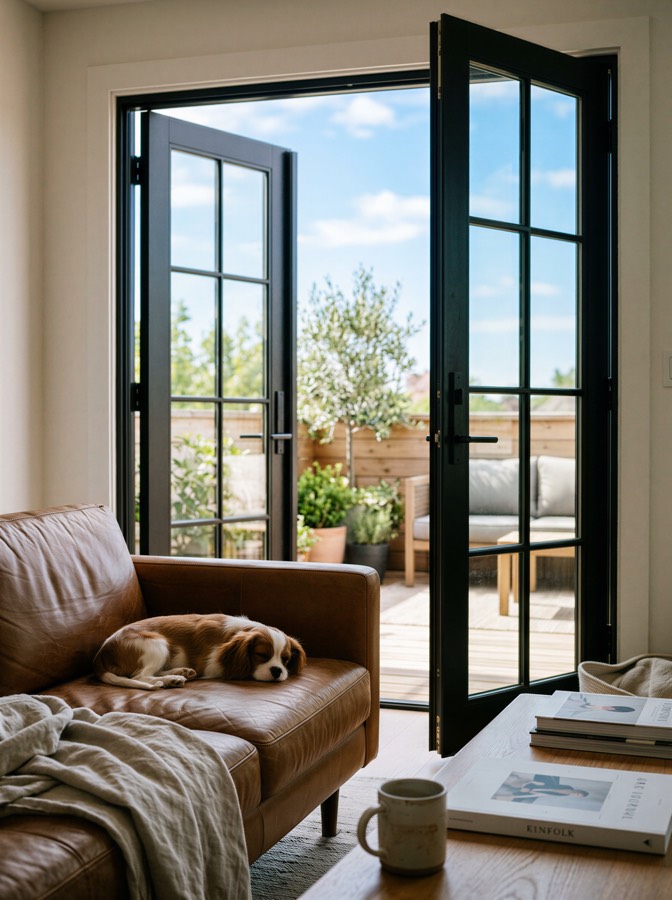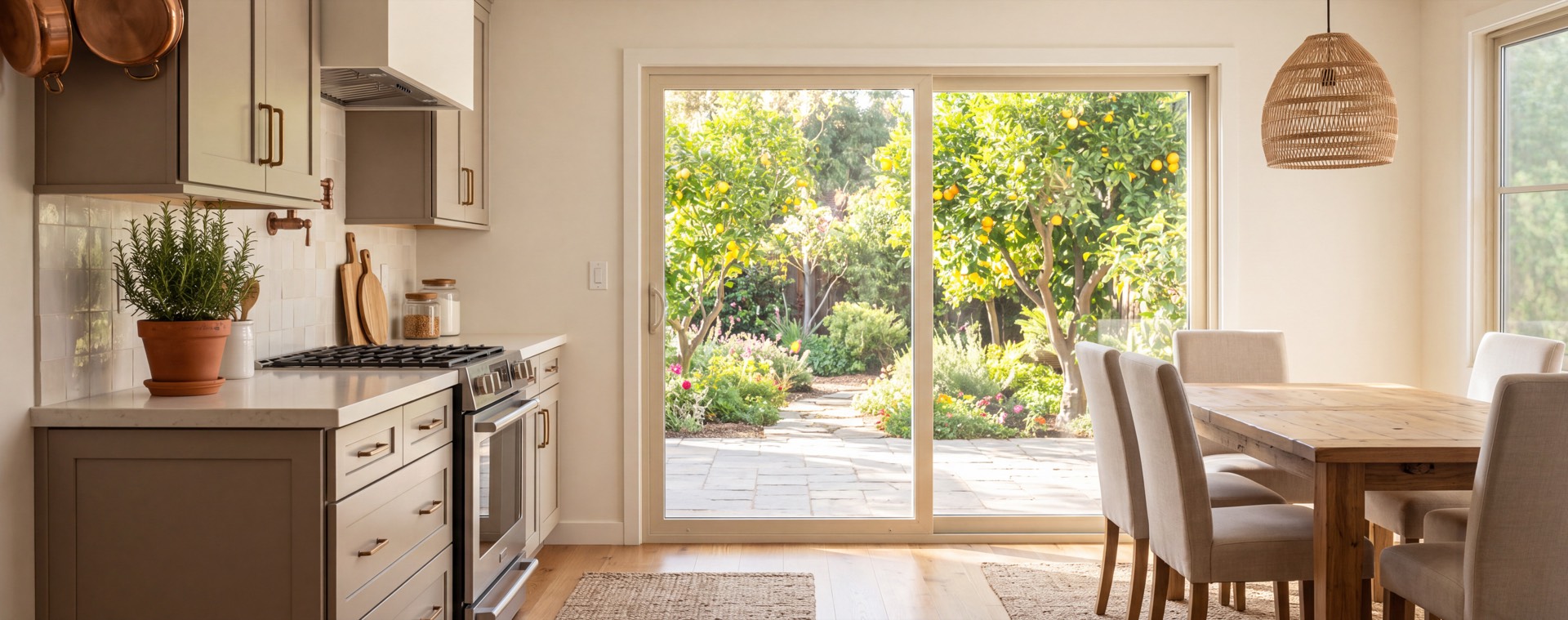
A sliding patio door opens a wall to the yard without asking for floor space. Because the panels travel on a track instead of swinging, nothing has to stay clear on either side — you can put a table, a sofa, or a planter right up to the glass.
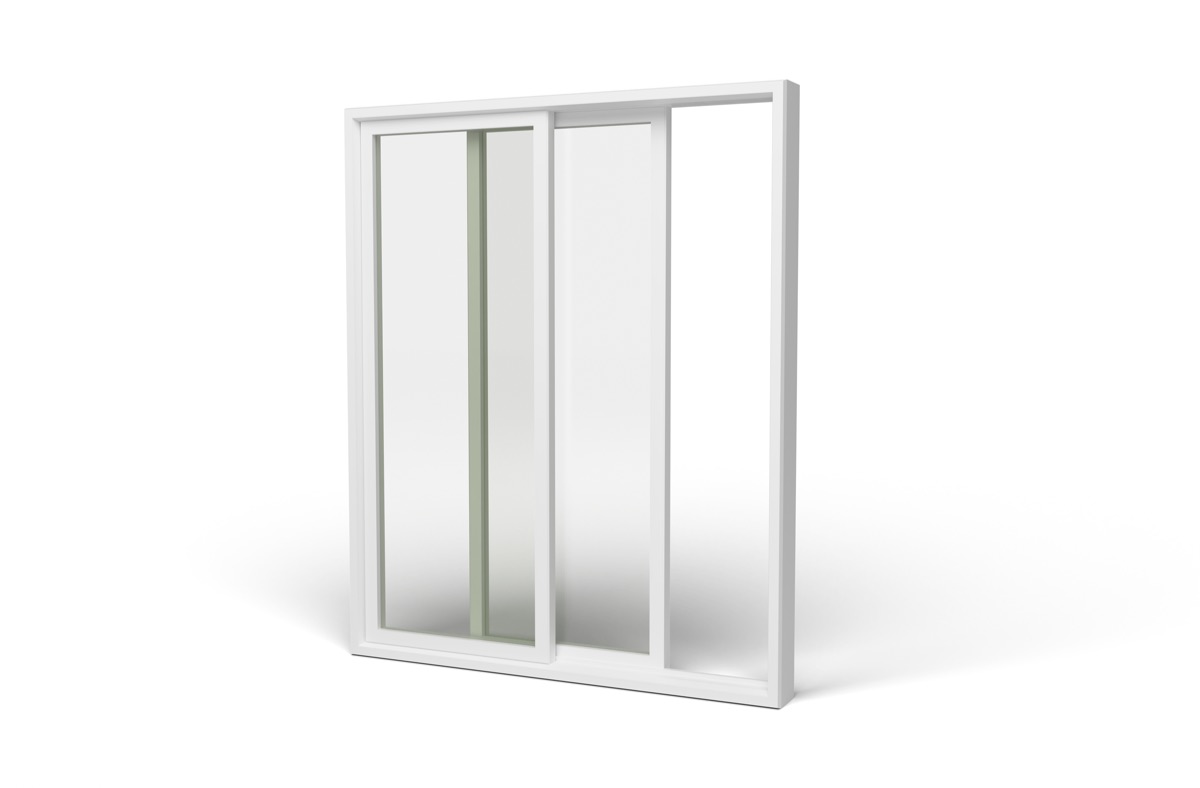
The panels travel on a track instead of swinging, so nothing has to stay clear on either side. A table, a sofa, or a planter can go right up to the glass.
The panel count sets the opening. A four-panel door splits from the middle, so both halves slide away and leave the centre of the opening clear.
The panels ride on adjustable rollers for a light, even glide — on the tenth use and the ten-thousandth.
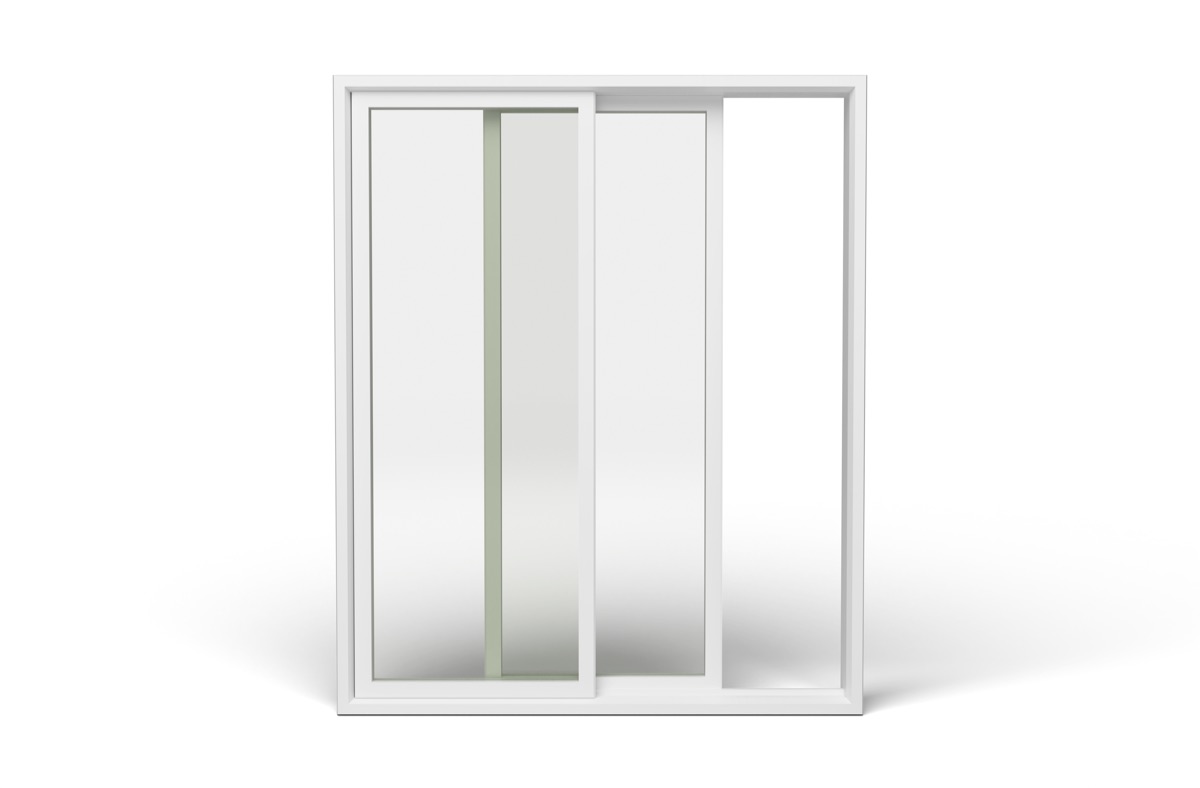
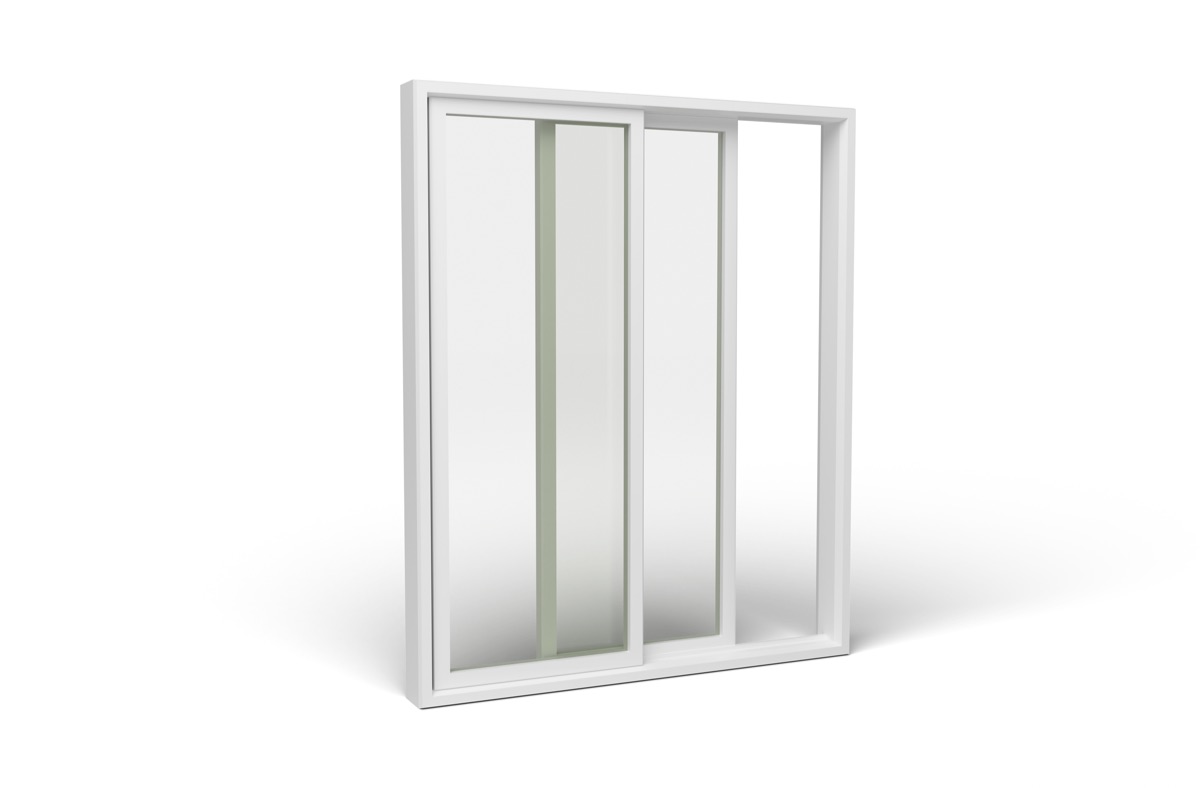
The panel count sets the opening. A two-panel door gives you one operating panel beside one fixed; a three-panel puts a wide fixed panel in the center; a four-panel splits from the middle so both halves slide away and leave the opening clear across the middle.
Because the door is mostly glass, this is the single largest heat gain or loss in most rooms. The Low-E and argon package matters more here than anywhere else in the house, particularly on a south or west exposure.
Handing is read from outside the house. We confirm the panel count and handing for every opening at the measure.
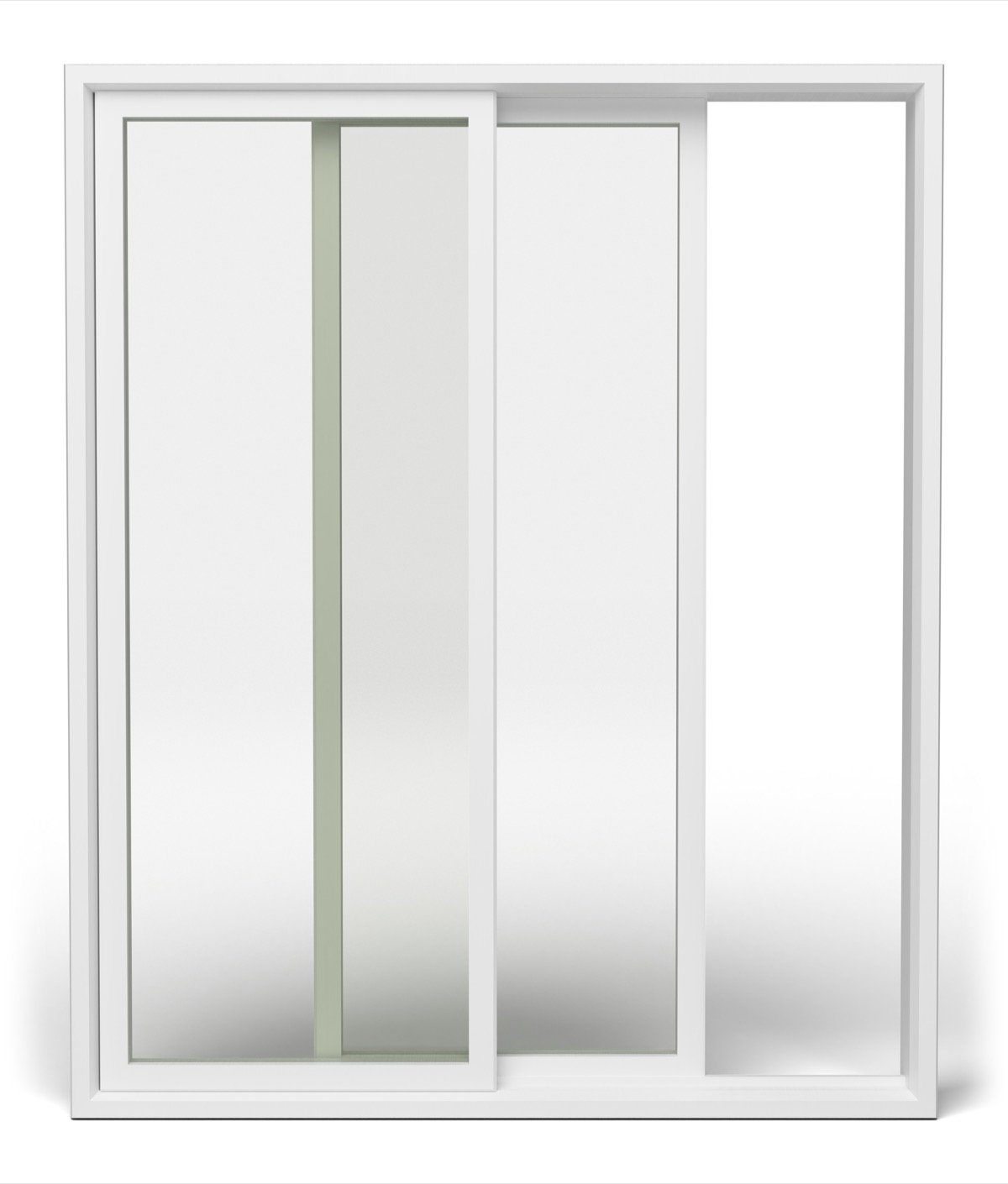
The left panel slides, the right stays fixed (viewed from outside).
The mirror image: the right panel slides.
A wide fixed centre panel, with a sliding panel at each end.
The two centre panels slide apart and leave the middle of the opening clear.
Hover a configuration to watch it slideTap a configuration to watch it slide
The choices that apply to a sliding patio door. Everything else comes standard.
White and Almond in the Pacific Series; Black in the Laguna Series.
Colors →Tempered safety glass in every panel — required by code in all doors.
Glass options →Between the glass, or simulated divided lite.
Grids →Sliding insect screen on each operating panel.
Handle and lock supplied to match the series finish.
A patio door is opened more than any window in the house, and it is a way in. Its hardware has two jobs: glide lightly thousands of times, and keep the house secure every time it closes.
The handle set carries the lock, which engages the frame when the door is closed. Locked, the panel can't be slid open from outside.
The panel rides on adjustable rollers in the sill track, so even a large glass door glides with a light push — and can be re-set if the house settles.
When the door closes, the panels hook together along their full height. The interlock resists prying and stops drafts where the panels meet.
Which panel slides. Handing is read from outside the house: XO slides on the left, OX on the right. Pick the side that suits the path through the room — we mark it on every opening at the measure.
Yes. Building code requires tempered safety glass in every door panel, and every door we build has it.
Yes — a sliding insect screen runs on each operating panel.
We measure, quote, and install. One company, start to finish.