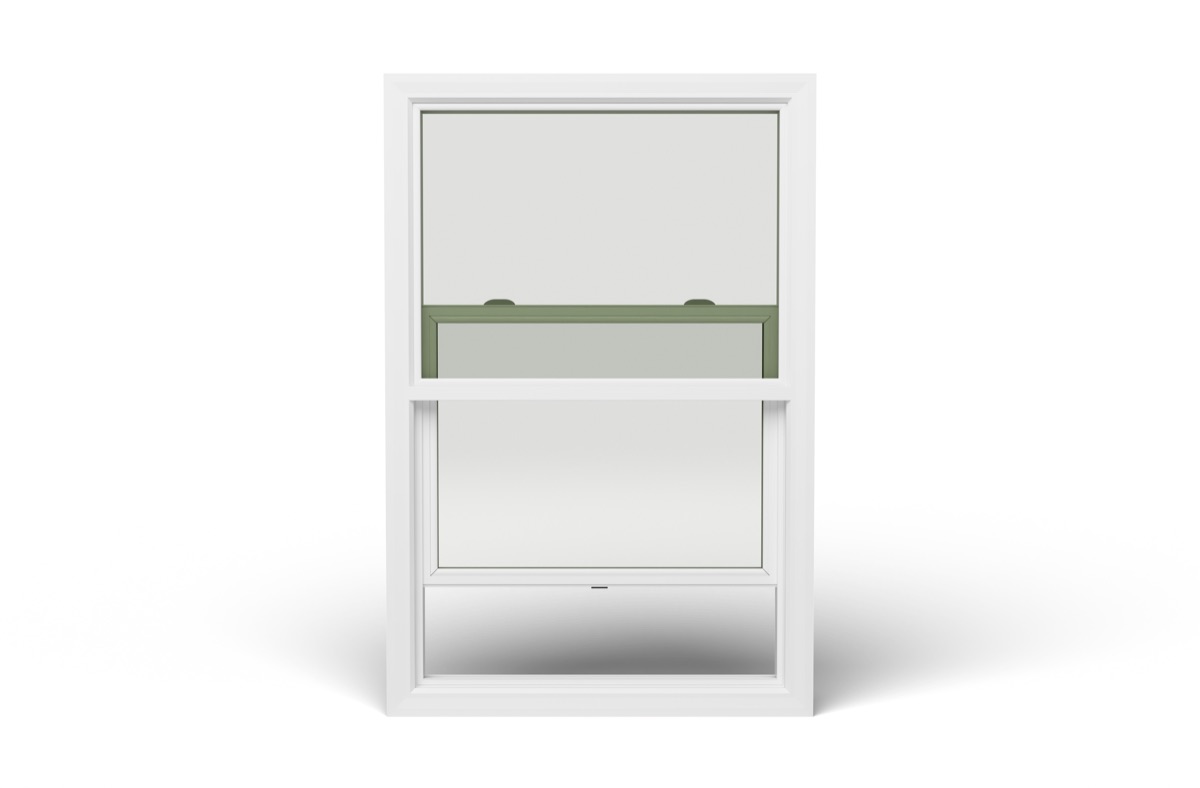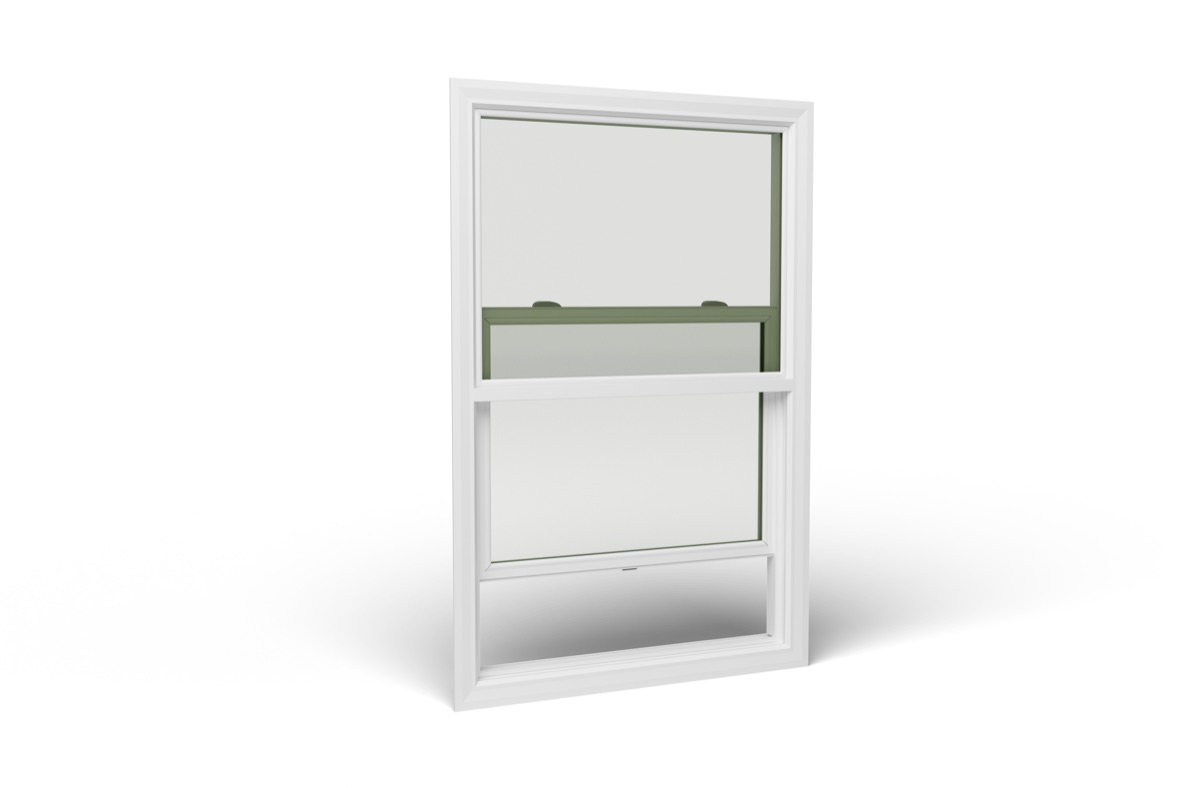
In a single hung, the bottom sash raises and the top sash stays fixed. It is the traditional American window profile, and the fixed upper sash makes it both the most economical hung option and the one with the fewest points of air leakage.
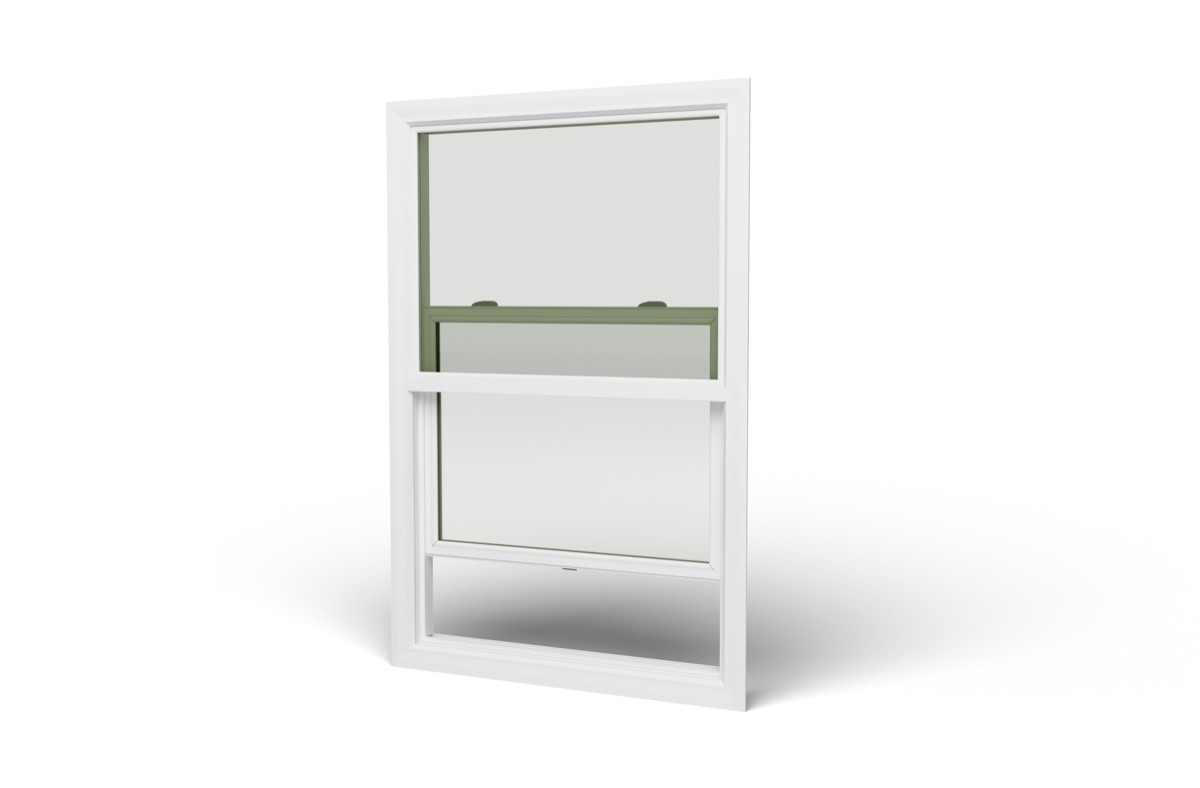
Taller than it is wide — the traditional American window. Replacing a single hung with a single hung keeps the house looking the way it was designed to look.
Only the bottom sash moves. With the top sash fixed there are fewer seals than in a double hung, and less air infiltration.
The bottom sash tilts in, so an upstairs window can be washed from inside the room without a ladder.
The vertical proportion suits older homes and any elevation where the existing windows are taller than they are wide. Replacing a single hung with a single hung keeps the exterior of the house looking the way it was designed to look.
The operating sash tilts in for cleaning, so second-story windows can be washed from inside the room without a ladder.
The bottom sash rises past the fixed top sash. The screen covers the lower half, where the window opens.
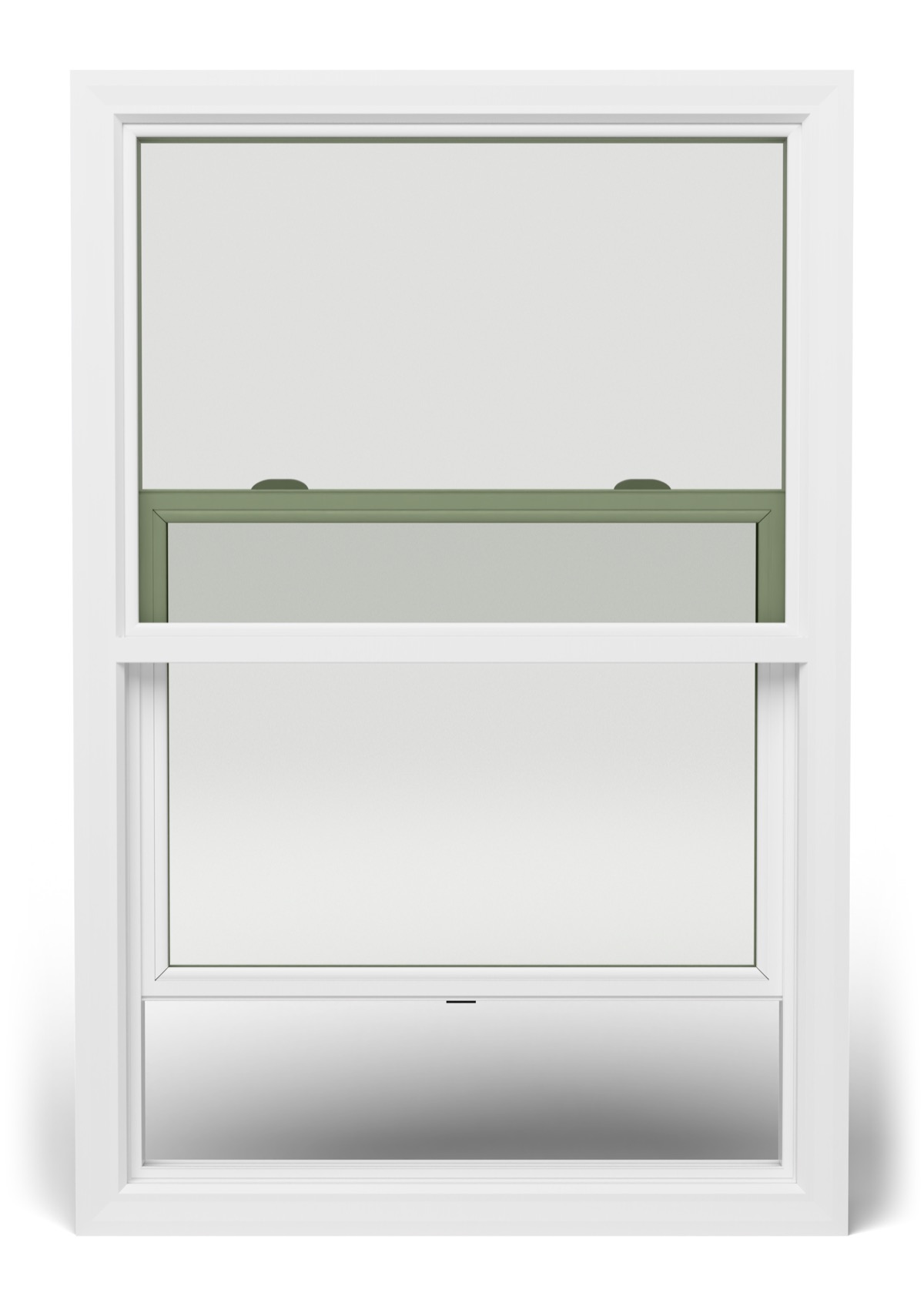
The bottom sash raises and lowers; the top sash stays fixed.
Hover a configuration to watch it openTap a configuration to watch it open
The choices that apply to a single hung. Everything else comes standard.
White and Almond in the Pacific Series; Black in the Laguna Series.
Colors →Between the glass, or simulated divided lite.
Grids →Half screen over the operating bottom sash.
Lock and hardware supplied to match the series finish.
Everything a hung window depends on is on the sash: the lock that keeps it shut, the lift you raise it by, the balances that hold it where you leave it, and the latches that let it tilt in for cleaning.
The lock on the meeting rail draws the sashes together and holds them shut. Locked, the bottom sash can't be opened from outside, and the closed window seals tight against its weatherstrip.
A lift on the bottom rail gives you a solid grip, so the sash rises smoothly with one hand.
Balances in the jambs carry the weight of the sash, so it opens without strain and stays where you leave it — halfway up for air, not sliding back down.
Release the latches and the sash tilts in toward you, so the glass can be cleaned from inside the room.
In a single hung only the bottom sash moves; in a double hung both do. A single hung costs less and has fewer seals. A double hung lets you ventilate from the top and tilt both sashes in to clean.
Not on a single hung — the top sash is fixed. The bottom sash tilts in. If you need both sashes within reach from inside, that is the case for a double hung.
Often, but check the size. Only the lower sash opens — roughly half the height — and building code sets a minimum clear opening for bedrooms. We confirm it for every bedroom opening before anything is ordered.
We measure, quote, and install. One company, start to finish.