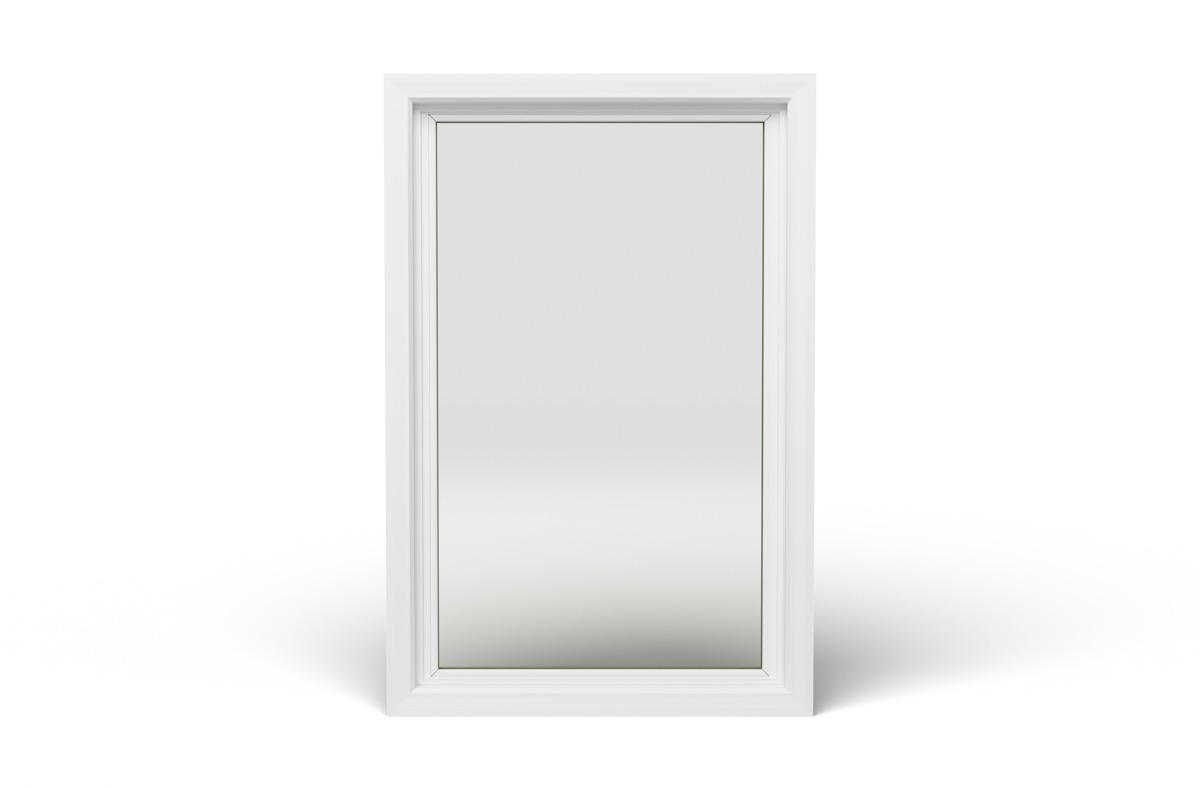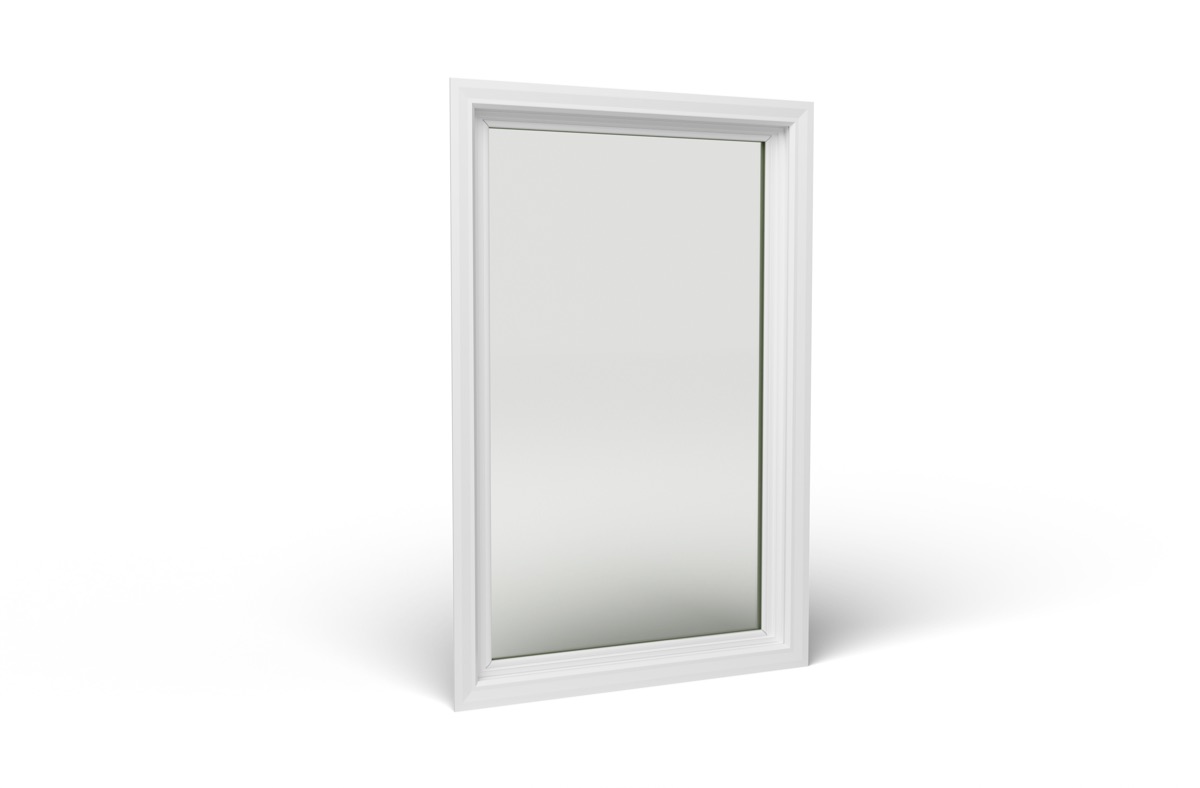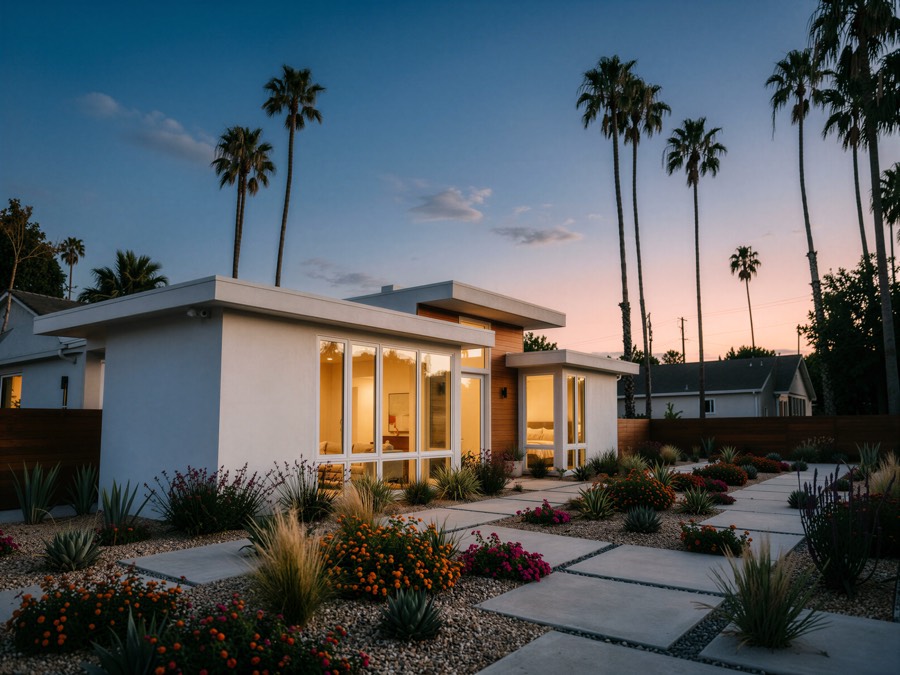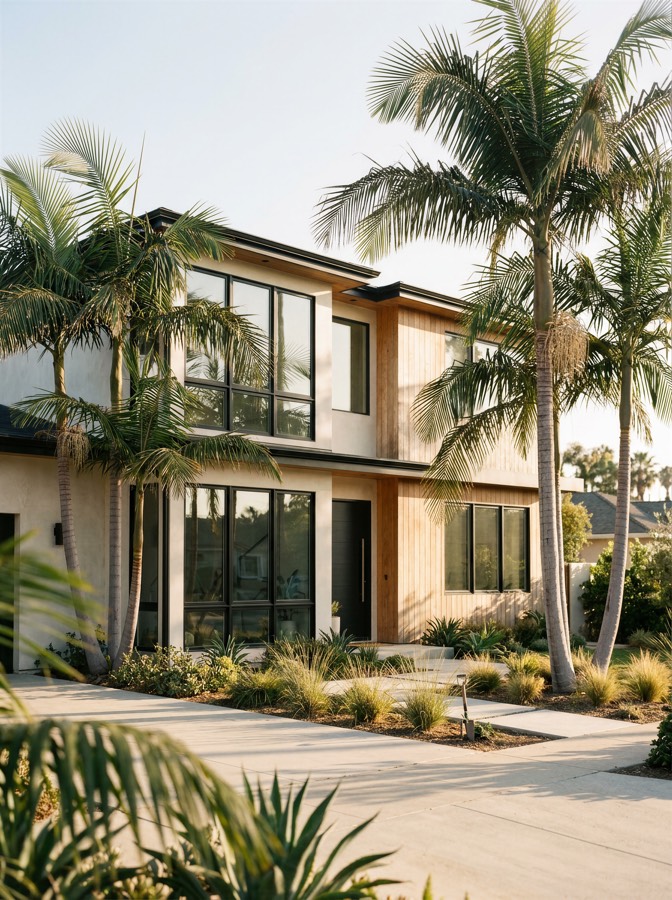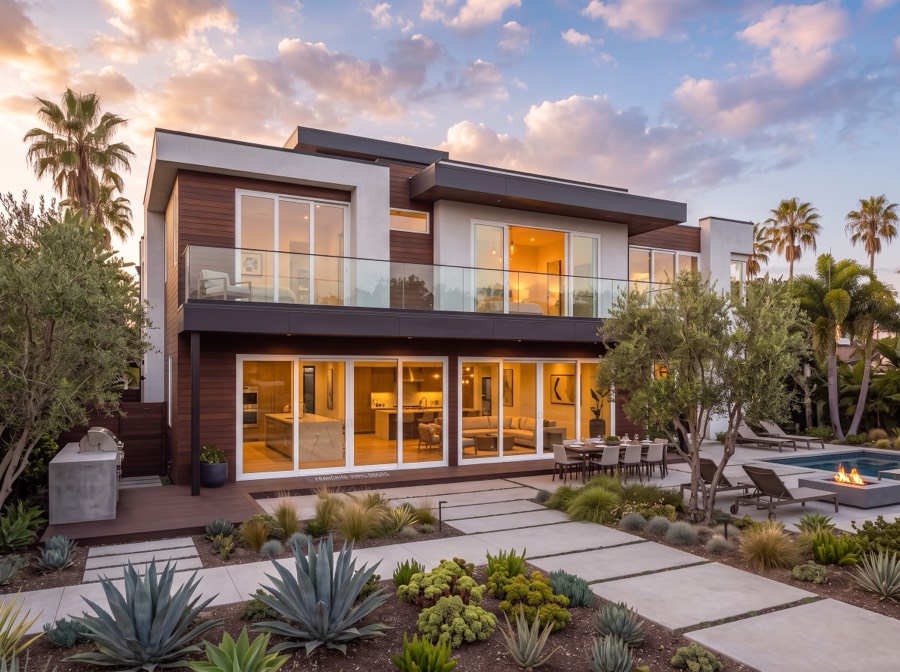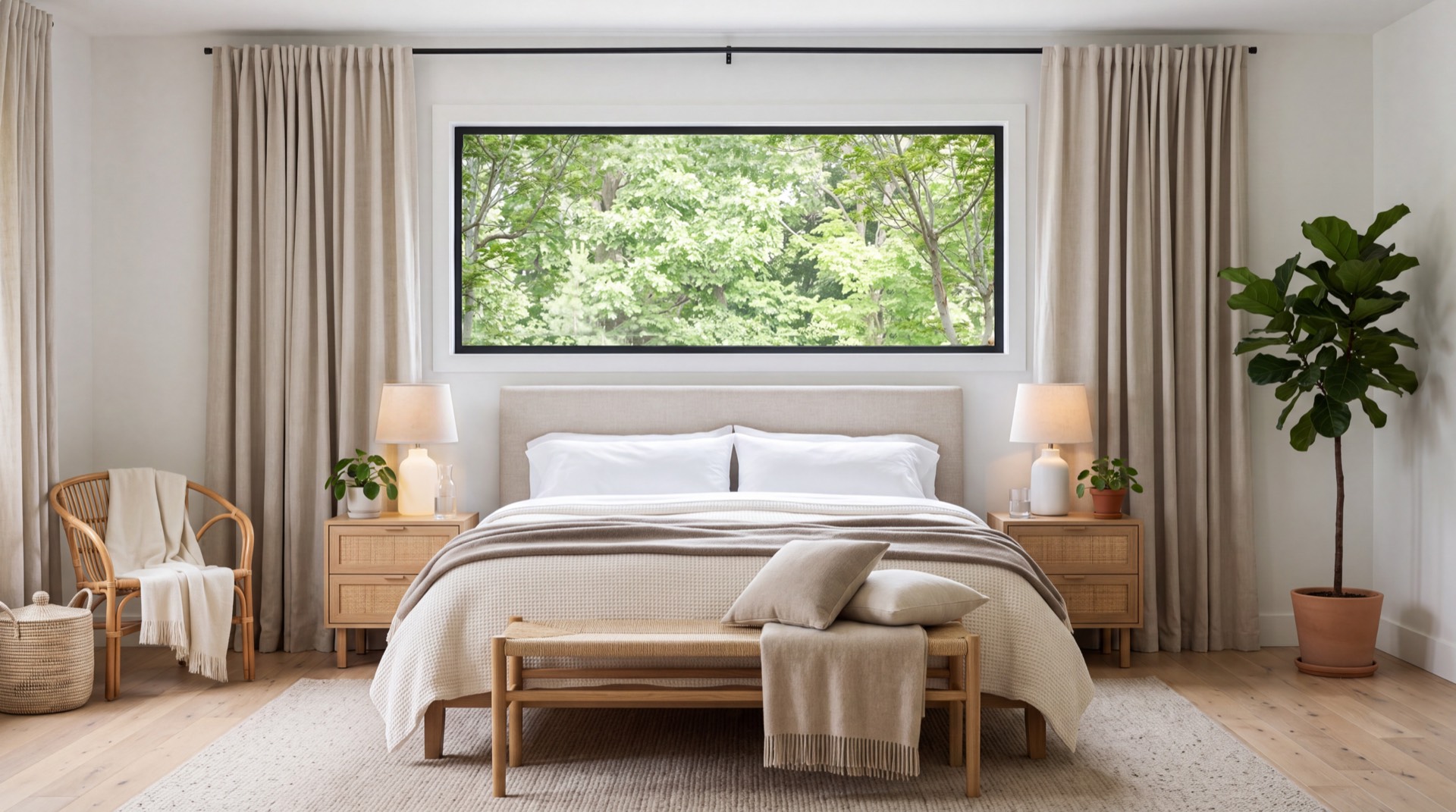
A picture window does one thing: it holds glass. With no sash, no lock, and no track, the frame is as narrow as the structure allows, so the opening delivers the maximum view and the maximum daylight of anything in the line.
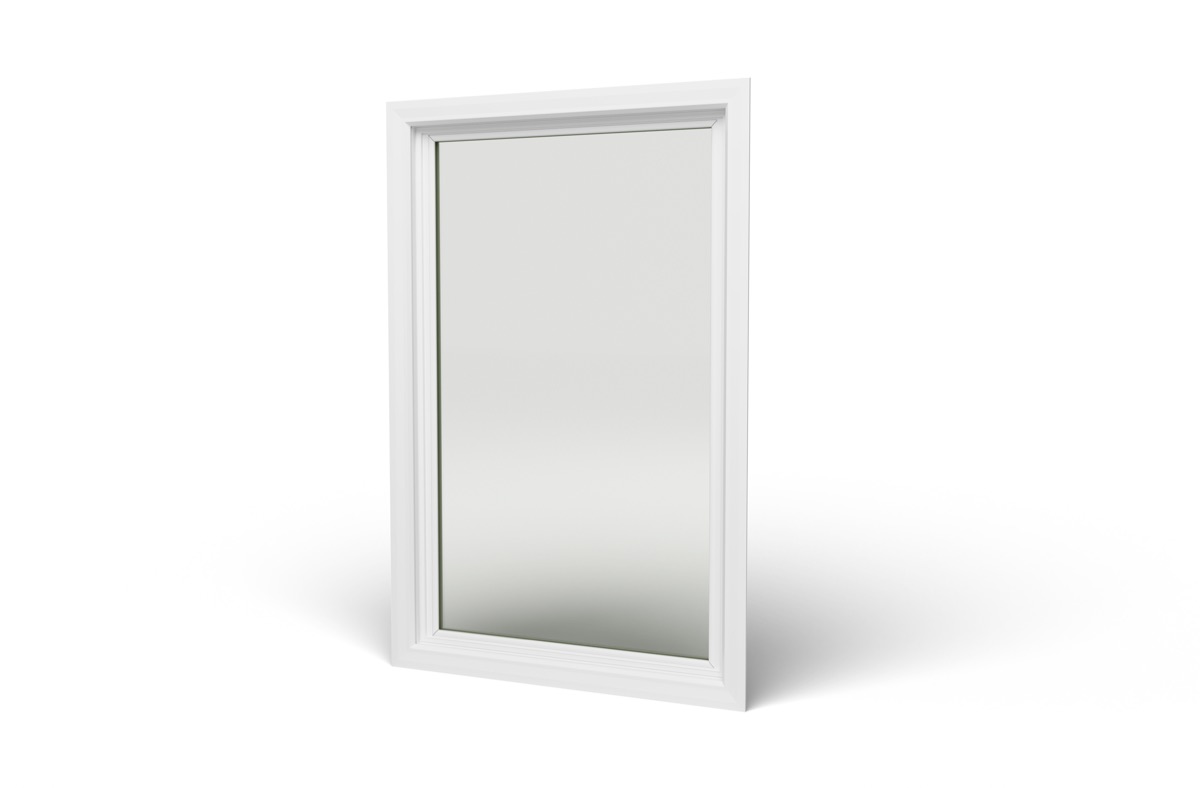
No sash, no meeting rail, no lock. The frame is as narrow as the structure allows, so the opening gives the biggest view and the most daylight in the line.
Nothing opens, so there is no weatherstrip to compress and no lock to fall out of adjustment. It is typically the tightest-sealing, longest-lived unit in the house.
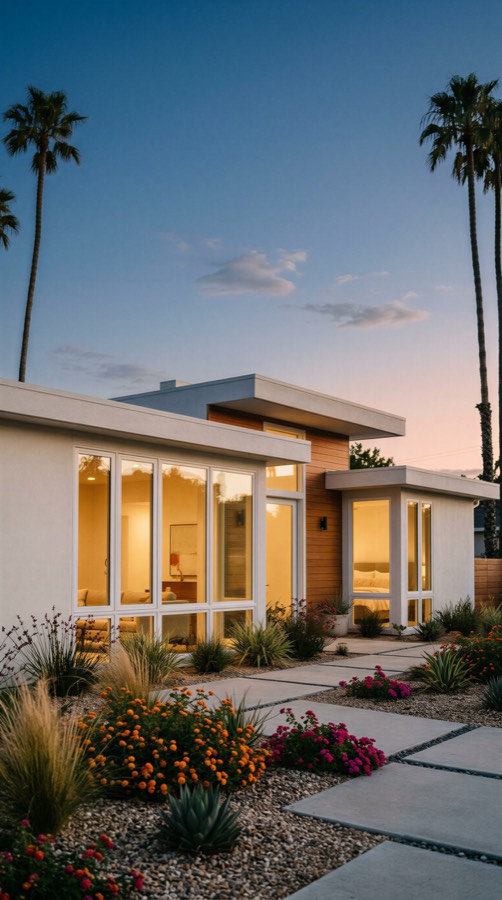
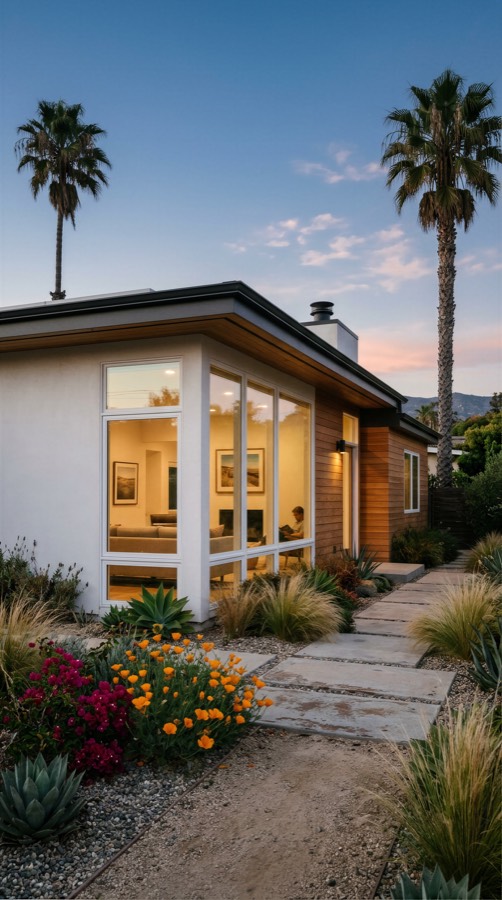
Most picture windows share an opening with operating units — a fixed centre between sliders, or a tall pane over a hung window — so the room gets the view and the airflow.
Because nothing operates, there is no weatherstripping to compress and no lock to fall out of adjustment. A picture window is typically the tightest-sealing and longest-lived unit in a house.
Picture windows are most often specified alongside operating units — a fixed center flanked by sliders, or a tall fixed pane above a hung window — so the room gets both the view and the airflow.
The choices that apply to a picture window. Everything else comes standard.
White and Almond in the Pacific Series; Black in the Laguna Series.
Colors →Between the glass, or simulated divided lite.
Grids →No — it is fixed by design. Where a room needs air, we pair it with a slider or a hung window in the same opening, which keeps the big pane for the view.
From outside. There is no sash to lift out or tilt in, which is worth planning for on a second storey.
Sometimes. Building code requires tempered glass for large panes close to the floor and for glass beside a door. We check every opening against code at the measure.
We measure, quote, and install. One company, start to finish.